Apparel Cloning System Review 2026: Devin Zander’s AI-Powered Print-On-Demand Method + An Alternative
Updated On
Apparel Cloning System is a second-rate print-on-demand program. Although the strategies are legit, Devin Zander downplays a lot of the challenges. Launching a shirt design in 5 hours is easy. But getting consistent traffic, sales, and profits is not. The POD apparel market is now super crowded. Beginners rarely succeed in 2026. Plus, a $1 ad test is unlikely to provide enough data to make informed business decisions. In reality, many sellers spend $1,000 to $5,000+ testing products, creatives, and audiences. Local SEO lead generation is more predictable. You're not selling apparel. You're selling actual leads to local businesses. You don't even need to spend on ads since you're relying on ranked sites to get leads. It only costs $50 to $100 to create these sites. Then, you can earn up to $2,000 to $4,000+ for a converted lead.
In this Apparel Cloning System review:
- I explain Devin Zander's 5-step apparel cloning system, from research to scaling.
- You see whether Devin Zander's claim to launch a print-on-demand product in 5 hours is realistic.
- I included all the Apparel Cloning System reviews from Trustpilot, YouTube, and Reddit, so you don't have to go there.
- Finally, I compare the AI-driven POD model with a more stable and long-term alternative called local SEO lead generation.
In my experience as a previous ecommerce seller, a print-on-demand clothing business, as taught by Apparel Cloning System, is like being in charge of the US Navy uniforms. All the cutting, sewing, and printing happen in distant contractor factories. When a batch of shirts arrives crooked, faded, or off-size, the Navy complains at your counter as if you were the one who touched the machines. It’s also like answering phones at the University of Toronto’s central help line during exam season. Professors design the tests, and IT runs the portals. You spend your time fixing any hiccups that occur. It's like how print-on-demand sellers carry the full support burden for quality and shipping issues caused by their suppliers and fulfillment providers.
If you're looking for a fast way to start making money online, launching a print-on-demand apparel business in a few hours sounds like a dream. But the Apparel Cloning System doesn't mention that you need to spend much more than $1 on ads to get buyers. You don't have to rely on ads with local SEO lead generation - just ranked websites that earn big.
Public Review Sentiment
Sentiment is based on public reviews, discussions, and independent analysis available at the time of publication. Percentages reflect identified positive, negative, and neutral sentiment by platform.
Trustpilot (138 reviews)
Mixed Credibility, Potentially Manipulated
Positive: “SKUP has changed my business completely. Using Avatar IQ has been an absolute game-changer for my t-shirt stores, Cozy Creations.”
Negative: “I invested $5,000 in their program, expecting high-quality training and support, but what I received was far below even basic expectations.”
Read more reviews
Positive: “The training programs are thorough and easy to follow, making complex eCommerce strategies accessible even for beginners.”
Neutral: “They deliver tools, knowledge, advice—but success (and failure) ultimately lands on your shoulders.”
Negative: “I ordered the apparel cloning product. They gave me access to a training module from 2020! Total scam!!”
YouTube (2 reviews)
Mostly Negative
Positive: “Devin Zander from Skup shares his proven system for building a hugely profitable Print-on-demand apparel business in e-commerce stores.”
Negative: “I was about to register to that course but then I saw the cost and I tapped out.”
Independent Review Sites (3 reviews)
Balanced but Cautious
Positive: “It's a legitimate training program with documented student results and active support.”
Negative: “However, experienced POD sellers would know that the strategy is risky and not as effective as advertised.”
Read more reviews
Neutral: “Devin Zander's Apparel Cloning System is a good beginner course for learning about the print-on-demand business model.”
Reddit (2 reviews)
Skeptical
Negative: “Most reviews may be fake so you gotta be cautious about them.”
Read more reviews
Neutral: “Is Skup by Devin Zander a good choice?”
Better Business Bureau (1 reviews)
Negative
Negative: “Skup is NOT a BBB Accredited Business. BBB Rating C.”
What Are the Apparel Cloning System Pros and Cons?
Pros | Cons |
|---|---|
✔️ Apparel Cloning System focuses on cloning proven sellers. | ❌ The apparel POD model is in a highly saturated market. |
✔️ Apparel Cloning System teaches a low-risk design testing methodology. | ❌ AI-cloning can lead to unoriginal, generic designs. |
❌ The model involves additional costs for ad spend and software. | |
❌ Apparel Cloning System lacks deep advertising training for both organic and paid methods like SEO, FB ads, and TikTok ads. |
Price: Apparel Cloning System costs $297 to $597, depending on when you sign up.
Refund Policy: Skup generally offers a conditional 30-day satisfaction guarantee on its programs, which may include the Apparel Cloning System.
Origin: Apparel Cloning System was created by the co-founder of Skup, Daven Zander.
How Does The Apparel Cloning System Work?
The Apparel Cloning System works as a 5-step process:
- Research: Find proven, best-selling t-shirt designs.
- Clone and Improve: Use AI tools to create a unique version of the winning design.
- Launch: Publish the new product on a Shopify store quickly.
- Test: Use a low-cost ad strategy (less than $1 per design) to validate the new product.
- Scale: Once a winner is confirmed, follow a roadmap to scale up production and marketing.
Other factors you need to take into account are:
- Print quality variables like Direct-to-Garment, Direct-to-Film, and screenprint.
- Supplier reliability from POD companies like Printify, Printful, Gelato, and CustomCat.
- Shipping time issues if outsourcing to foreign suppliers. (ex: China to US)
- POD marketplace ecosystems on platforms like Etsy, Amazon Merch, and Redbubble.
- Trademark/IP concerns are very common in the clothing niche.
What Do You Get With The Apparel Cloning System?
- AI-Powered Design Workflow training.
- Market Research Method module.
- Quick Launch Framework guide.
- Low-Cost Validation Strategy instructions.
- Scaling Roadmap for profitable designs.
Is the Apparel Cloning System a Scam?
Apparel Cloning System is not a scam, although Devin makes some exaggerated claims, such as the 5-hour launch and $1 ad test. That said, the course does offer value to beginners, and the lessons can be used to start a POD business.
Who Is Devin Zander?
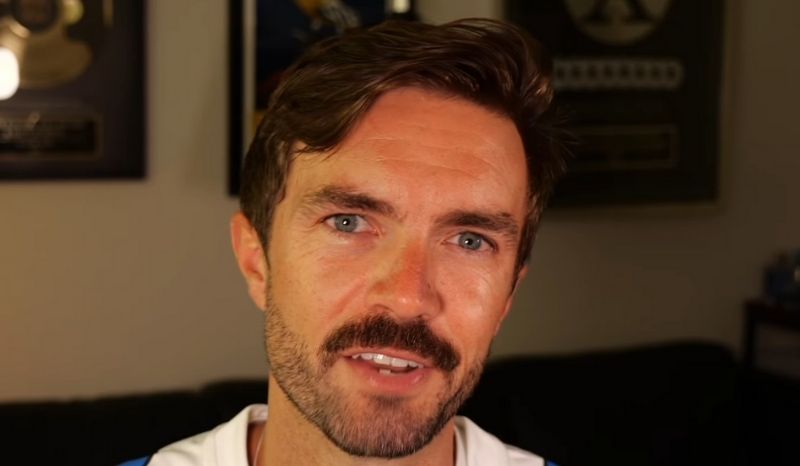
Devin Zander is an ecommerce veteran with over 10 years in the business and has made over $50 million in brand sales. He is the co-founder and CMO of Skup. Based in St. Petersburg, Florida, Devin also founded the Shopify app SMAR7 Apps and is a partner of the SMS and text-message marketing platform Roezan. He has a podcast called "From Delivery Driver to CEO."
Devin Zander dropped out of high school and worked as a Jimmy John’s delivery driver before transitioning into online business. He had a stable business by age of 20. His 2015 company, Skup, developed out of his Shopify app bundle, SMAR7 Apps.
What Are Devin Zander’s Claims?
- Devin claims that he can teach you how to launch a POD product in 5 hours.
- He claims that no design skills are needed as AI does all the creative work.
- He claims that you can validate a new design for less than $1 using his system.
- Devin claims that his business model is repeatable as it removes the need for risky original ideas.
What Are the Realities of Devin's Claims?
- Launching a product is easy, but getting traffic and sales is the hard part. Devin’s 5-hour claim ignores the significant time investment required for marketing, customer service, and brand building.
- Using AI to clone existing designs is a recipe for a generic and uninspired brand. It does not create a unique brand voice that stands out in a saturated market.
- A $1 or less ad test provides almost no meaningful data. You need to spend much more to get statistically significant results on platforms like Facebook or Google.
- The process is repeatable, although trends change so fast that what works today may not work tomorrow. Success depends on your ability to market effectively and adapt quickly.
What Are Some Apparel Cloning Alternatives?
- Jeremy Ray Holst’s Creato – This ecommerce/dropshipping course teaches you how to test single products using organic social media marketing. I offers courses, supplier contacts, weekly calls, and live coaching.
- Franklin Hatchett’s eCom Elites – A Shopify dropshipping program that pairs a 10-module course with a private Facebook community. It emphasizes ad-driven growth and conversion follow-up via retargeting and chatbots.
- Reginald and Tania Jennings's ECom Family Academy – A print-on-demand course that shows you how to start a POD business on platforms like Shopify. It has structured training modules, live calls, and a private Facebook group.
- Sarah Chrisp's Ecomm Clubhouse (Wholesale Ted) – A Shopify-approved course that teaches beginners how to build a print-on-demand store from setup to scaling. It specializes in product research and Etsy POD niches.
- Greg Gottfried's Passive Income – A print-on-demand course that focuses on creating t-shirt designs and selling them on Amazon Merch and Teespring. It has 39 lessons covering niche research, design, uploads, and scaling.
- Jordan Welch’s AI Com Academy – An ecommerce coaching program that specializes in creating AI‑powered UGC ads using MakeUGC.ai. It offers 35+ instructional videos, coaching calls, and access to a private student community.
Final Verdict: Is Apparel Cloning System's AI-Based Model Legit When Starting a POD Business?
Apparel Cloning System’s AI-based model is legit when starting a POD business because you quickly launch designs and test them with little ad costs. However, AI-generated designs often lack originality, and the POD apparel market is heavily saturated. Also, the real challenge is marketing and scaling. The method might work for sellers with sharp advertising skills, who are adaptable, and who have an eye for creativity.
Is Local SEO Lead Generation More Stable Than AI-Based Print-on-Demand?
Local SEO lead generation is more stable than AI-based print-on-demand because it focuses on solving real-world problems through search-based traffic and not chasing fast trends and relying heavily on marketing.
Comparing the print-on-demand clothing business to local SEO lead generation is like writing sketches for Saturday Night Live versus full seasons of The Office playing on Comedy Central every night. On SNL, writers scramble each week to come up with new ideas and rewrite jokes right up to showtime. If one episode flops, it all starts over from a blank page. That's like how clothing POD sellers constantly chase new designs, trends, and suppliers while still relying on someone else to get the printing and fulfillment done right. Local SEO lead generation is like The Office airing on Comedy Central’s nightly lineup, where episodes were filmed years ago yet still keeps drawing viewers. Similarly, local SEO lead generation websites keep drawing in traffic long after they rank and with minimal maintenance and daily effort.
Why Is Local SEO Lead Generation the Most Beginner-Friendly Business Model Online?
Local SEO lead generation is the most beginner-friendly business model online because it delivers stable, recurring income without needing design skills, paid ads, or constant product testing. You're building sites that capture free traffic and connect local customers with service businesses instead of cloning shirts and competing in the saturated POD market. You don’t need a logo, a brand story, or AI prompts. You just need a website that ranks and a business owner who wants leads.
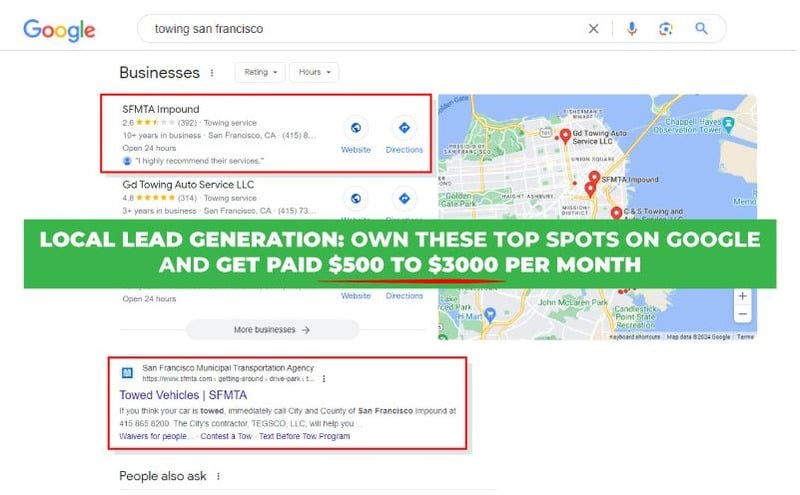
A client of mine is Thousand Oaks Custom Metal & Electric Gates, 1022 East Avenida De Los Arboles, Thousand Oaks, California 91360, (805) 866-4573, https://thousandoaksmetalgates.com/. When 13 of my leads closed for $24,050 in 1 month, I earned $2,405 from 10% commissions.
If you're looking to build digital assets that quietly generate cash flow without burnout or trend-chasing, check out local SEO lead generation.

Follow Me
Ippei Kanehara
Founder/CEO
$52K per month providing lead generation services to small businesses
Ippei.com is for digital hustlers, industry leaders and online business owners.
My #1 online business recommendation in 2024, is to build your own lead generation business.